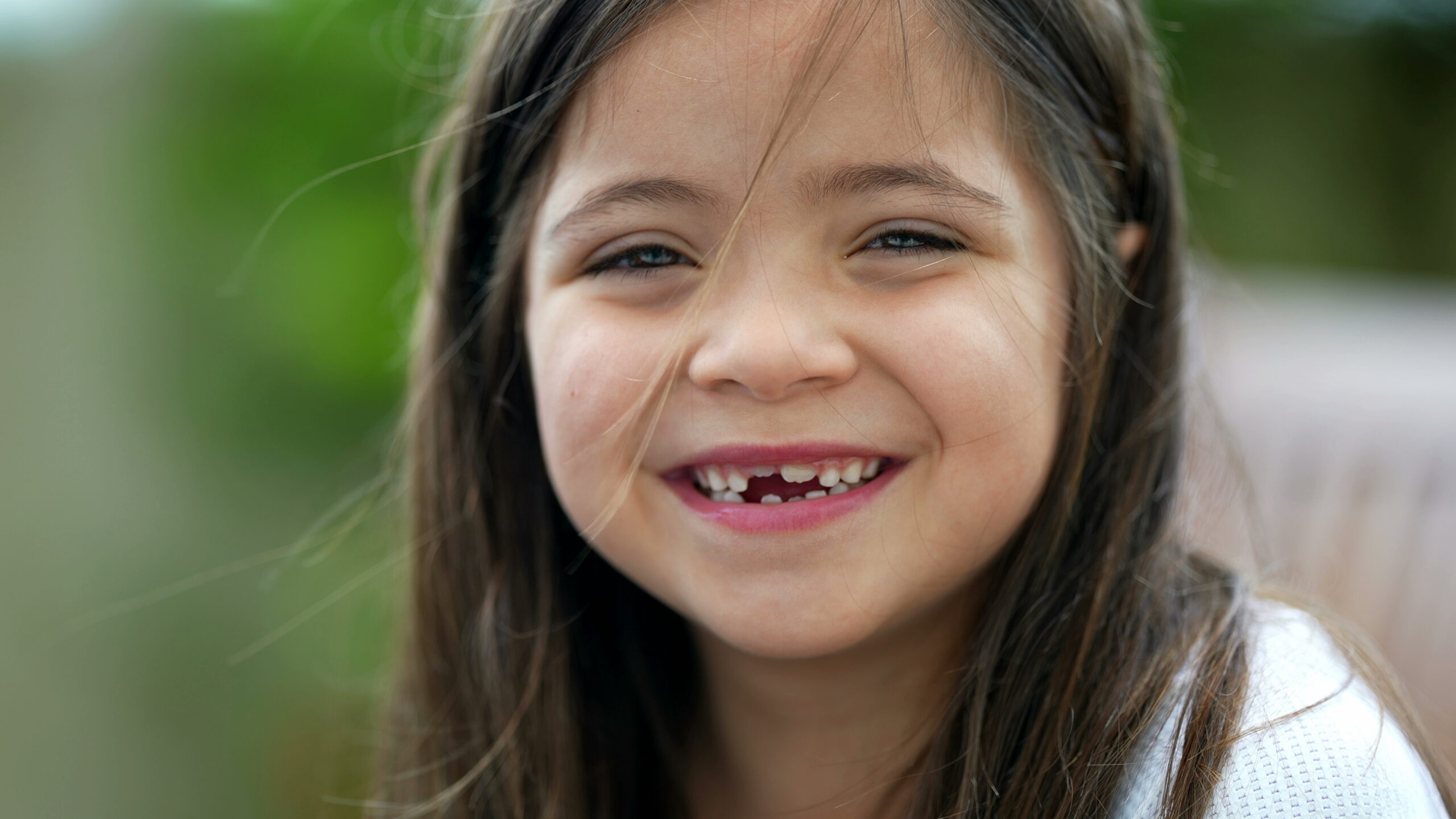
They may be small, they may be temporary, and they may end up under a pillow for the Tooth Fairy, but baby teeth are far more important than their short lifespan suggests. Primary teeth do a lot of heavy lifting in your child’s early years, from helping them chew their favorite snacks to setting the stage for a healthy, beautiful smile down the road. If you have ever wondered whether it really matters how well you care for teeth that are just going to fall out anyway, the answer is a resounding yes.
At House of Smiles Pediatric Dentistry & Orthodontics, we love helping families in the Cypress area understand the connection between early dental health and long-term outcomes. Our board-certified pediatric dentist, Dr. Goodloe, is dedicated to making sure your child’s smile gets the best possible start. Whether your little one just cut their first tooth or is already working through a mouthful of wiggly ones, our pediatric dentistry services are designed to support every stage of their development.
How Baby Teeth and Permanent Teeth Are Different
Not all teeth are created equal, and primary teeth and permanent teeth have some notable differences worth knowing about. Baby teeth are smaller, have a thinner layer of enamel, and appear noticeably whiter than the adult teeth that follow. Permanent teeth, on the other hand, are larger, harder, and slightly more yellow in color, which is completely normal.
The Numbers
A full set of baby teeth totals 20, while a complete adult smile includes 32 permanent teeth. That difference in count is not just a fun trivia fact. It reflects how much the jaw grows and matures over time, expanding enough to accommodate larger and more numerous teeth as your child gets older.
Why the Differences Matter
Because baby teeth have thinner enamel, they are more vulnerable to cavities than permanent teeth. A cavity in a primary tooth can reach the nerve faster, which is why routine dental cleanings and consistent home care matter so much during the early years. According to the American Dental Association, primary teeth are essential for helping kids chew properly, speak clearly, and smile with confidence, building healthy habits that carry into adulthood.
What Baby Teeth Actually Do
Here is where it gets interesting. Baby teeth are not just placeholders taking up space until the “real” teeth arrive. They are active participants in your child’s daily life and long-term development. Here is a closer look at the big jobs they are handling behind the scenes:
- Chewing and nutrition: Healthy primary teeth let kids break down food comfortably, supporting proper nutrition and healthy growth.
- Speech development: Teeth help children form sounds and words correctly. Missing or damaged front teeth can affect how certain sounds come out.
- Jaw and facial development: The act of chewing actually builds strength in the jaw muscles and supports proper facial structure.
- Guiding permanent teeth: Baby teeth hold space in the jaw so adult teeth know exactly where to go when it is time to erupt.
That last point is especially worth highlighting. When a baby tooth is lost prematurely due to decay or injury, the surrounding teeth may drift into the open space. This can cause crowding, misalignment, or delays in the permanent tooth coming in properly. Space maintainers can help address this issue if early tooth loss occurs.
When to Start Caring for Baby Teeth
The earlier, the better. Most children get their first tooth somewhere between six and twelve months, and dental care should begin right along with it. Even before the first tooth arrives, gently wiping your baby’s gums with a clean cloth helps establish a routine. Once that first tooth pops through, it is time to start brushing with a soft-bristled brush and a tiny smear of fluoride toothpaste.
The first dental visit should happen by your child’s first birthday, or shortly after that first tooth appears. Early dental exams allow your child’s dentist to catch any developing concerns before they become bigger problems, and they also help your little one get comfortable with the dentist at a young age. Building that comfort early can make a real difference in how your child feels about dental care for years to come.
If a cavity does develop in a baby tooth, treating it matters. Untreated decay can spread, cause pain, and impact the health of the permanent tooth developing right beneath it. Composite fillings are a gentle, tooth-colored option for addressing decay while preserving the tooth’s structure.
Give Your Child’s Smile the Start It Deserves at House of Smiles Pediatric Dentistry & Orthodontics
Baby teeth may be temporary, but the habits, health, and happiness built during these early years are anything but. At House of Smiles Pediatric Dentistry & Orthodontics, our board-certified doctors bring specialized training and genuine warmth to every appointment. We believe every child deserves a dental experience that feels safe, fun, and positive, because those early visits shape how your child thinks about their health for life.
Our Cypress practice is built around the idea that great dental care should feel welcoming, not scary. Whether your child is coming in for their very first checkup or you have questions about how their teeth are developing, we are here with the knowledge and the heart to help. Reach out today by visiting our contact form to schedule an appointment and take the first step toward a lifetime of healthy smiles.