Metal braces use stainless steel brackets and a wire to guide teeth into better alignment over time. They are a familiar choice for kids and teens, and they may be a good fit for a wide range of alignment and bite concerns.
At House of Smiles Pediatric Dentistry & Orthodontics in Cypress, TX, our board-certified orthodontist, Dr. Jeana Harmon-Taylor, offers metal braces as part of our orthodontic care for kids, teens, and adults. This page covers how braces work, what to expect from start to finish, and how to tell whether metal braces might suit your child. Orthodontic consultations are free, so you can ask questions before you decide anything.
Metal braces have three main parts. Small stainless steel brackets attach to each tooth, a thin wire runs through the brackets, and ties or clips hold the wire in place. The wire applies gentle, steady pressure, and over time that pressure moves teeth into better positions. Your orthodontist may also add elastic bands for extra force to help correct the bite.
According to the American Association of Orthodontists, traditional metal braces are known for being effective and affordable, and braces in general can treat a wide range of bite and alignment problems. Because braces stay on the teeth for the whole treatment, they tend to work faster than clear aligners, and your child does not have to remember to put anything in or take it out. They also cannot come off for meals, so careful cleaning matters.
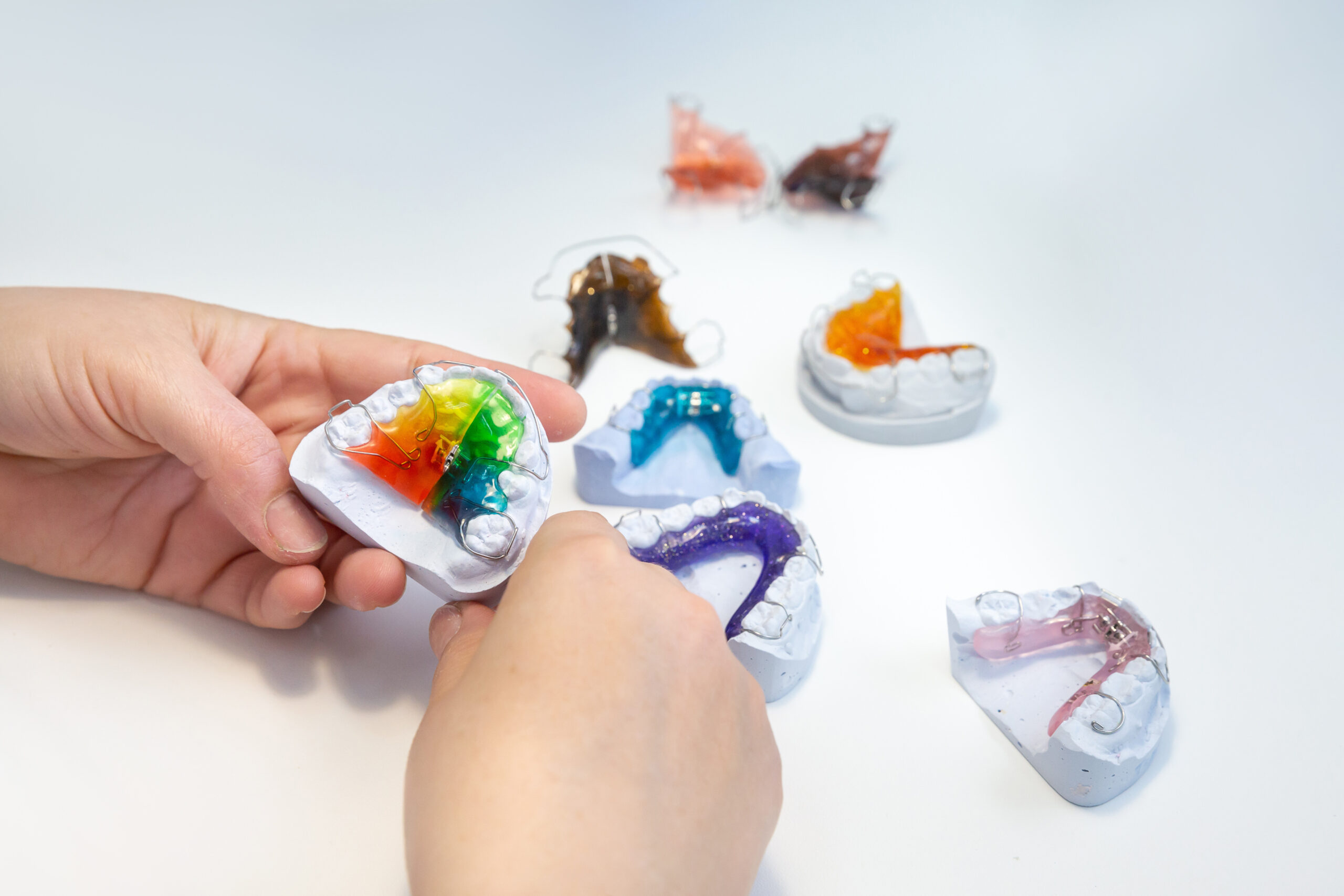

Metal braces are a familiar choice, and parents often ask what makes them worth considering. These are the main benefits we talk through with families.
Braces can address many alignment and bite concerns, from crowded teeth to bite problems.
Braces stay on the teeth, so they keep working between visits without your child managing anything.
Metal braces are known for their affordability, and we can go over payment options during your visit.
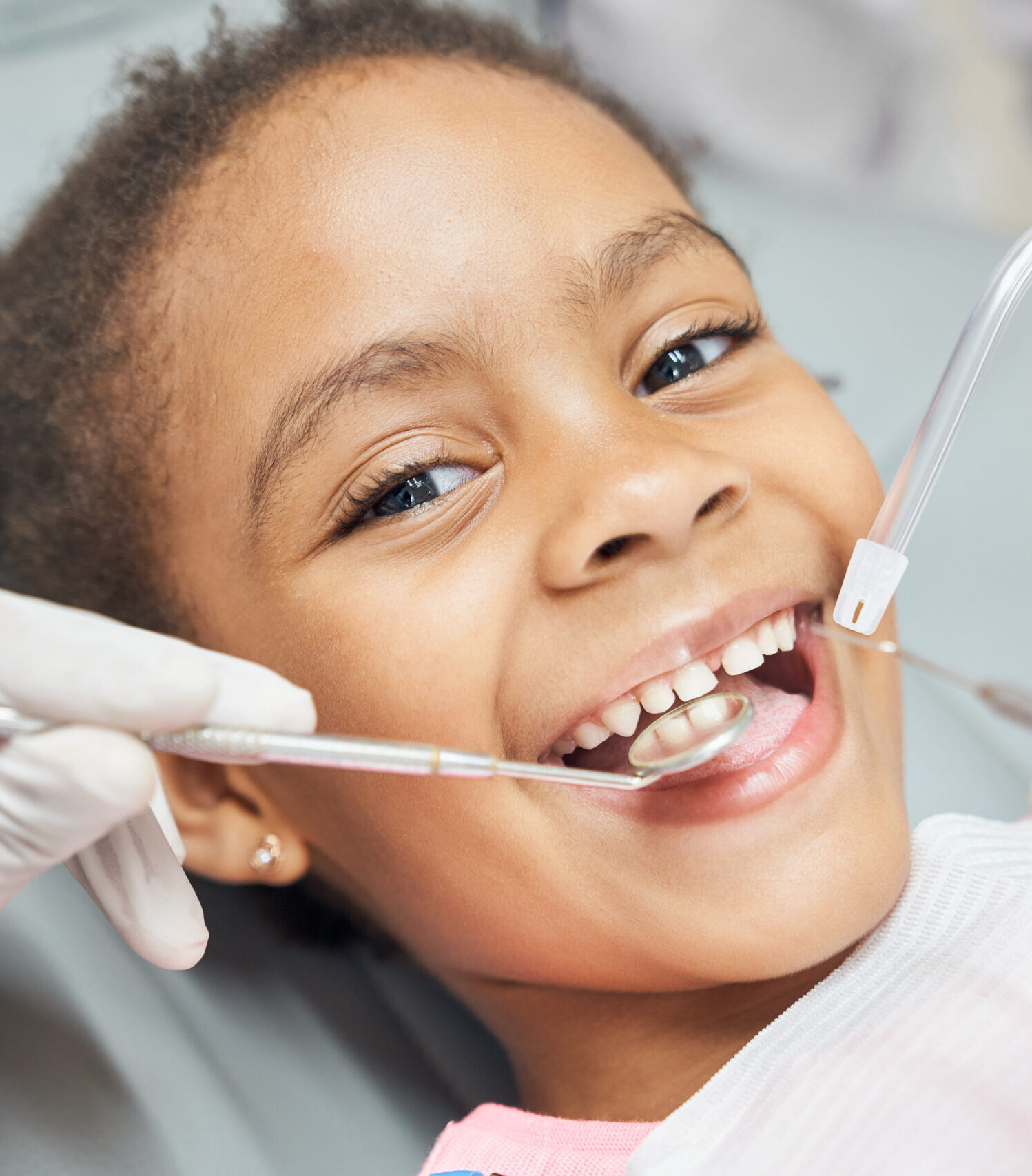

The American Association of Orthodontists recommends a first orthodontic evaluation around age 7, when a child has a mix of baby and permanent teeth. That does not mean braces start at 7. Many kids only need to be watched, and for very young children Dr. Harmon-Taylor may recommend waiting because their teeth and jaws still have a lot of growing to do.
Signs a child may benefit from an evaluation include crowded or crooked teeth, an overbite or underbite, teeth that are hard to brush and floss around, and baby teeth that fall out very early or very late. Metal braces tend to be a good fit when a child needs a durable, fixed appliance, and they work well for kids who may not be ready to manage removable clear aligners.
Readiness matters too. Dr. Harmon-Taylor tells parents that treatment often averages about two years, so it helps when a child is motivated and ready to brush and floss carefully the whole time. If your child would like a less noticeable look, ceramic braces work the same way with clear or tooth-colored brackets, and a free orthodontic consultation is the best way to compare options.
There is more than one way to set up metal braces, and Dr. Harmon-Taylor recommends based on your child’s teeth, bite, and goals. Select an option to see the difference.
Stainless steel brackets are paired with a wire, and small elastic ties hold the wire in place.
These brackets have built-in clips or doors that hold the wire instead of elastic ties. According to the AAO, this design can reduce friction and may allow more time between appointments.
Mini brackets are smaller than standard brackets, so they take up less room on each tooth. Dr. Harmon-Taylor can tell you whether this option fits your child.
It starts with a free orthodontic consultation. Dr. Harmon-Taylor checks your child’s teeth, jaw, and bite, and X-rays or digital images may be taken depending on your child’s needs. The AAO notes that some dental issues, such as cavities, may need care before braces go on, and our pediatric dentistry team can help with that under the same roof.
On the day the braces go on, the orthodontist bonds a bracket to each tooth and threads the wire through. The AAO notes this is likely the longest visit of the whole treatment. Some soreness in the first few days is common, and we go over ways to manage it.
After that, your child returns for adjustment visits, and kids can choose new colors for their elastic bands at these visits. The AAO says adjustments usually happen every 4 to 12 weeks depending on where treatment is, and most people wear braces for 12 to 24 months. Dr. Harmon-Taylor shares an estimated timeline after her exam. When the braces come off, a retainer helps keep teeth in their new positions.
Dr. Jeana Harmon-Taylor
Board-Certified Orthodontist
Dr. Harmon-Taylor treats children, teens, and adults, and she likes families to know what is coming before each step. She explains treatment in plain words and shows simulation videos of things like elastics or expanders when a step is new to a child.


Our Cypress, TX office has a board-certified pediatric dentist, Dr. Brandon Goodloe, and a board-certified orthodontist, Dr. Harmon-Taylor, under one roof, so your child’s dental care and braces can stay in one place. Dr. Harmon-Taylor treats children, teens, and adults, and orthodontic consultations are free.
If you are wondering whether metal braces fit your child, or what they may cost, we are happy to go over it with you. We can talk through payment options at your visit, and to get started, contact our office to schedule your child’s free consultation.
Treatment time depends on your child’s teeth, bite, and goals. The AAO says most people wear braces for 12 to 24 months, and Dr. Harmon-Taylor tells families that two years is a good average to plan around.
Some soreness is common for the first few days after braces go on and after adjustments. We go over ways to manage it, and orthodontic wax can cover any spot that rubs or feels sharp.
Yes, and a mouthguard is strongly recommended. The AAO says a well-fitted mouthguard covers braces and helps protect against dental trauma such as broken brackets. Ask us which type fits best, and see our sports mouthguards page for more.
Hard and sticky foods can damage braces, so softer foods are the safer choice. Cutting fruits and vegetables into smaller pieces helps too, and we go over what to avoid when the braces go on.
Brush with a soft-bristled toothbrush and floss every day. Tools like a water flosser or small proxy brushes can help clean around brackets and wires, and we show your child how to clean around braces.
Cost depends on your child’s treatment plan, how complex the case is, and how long treatment is expected to take. The AAO notes that metal braces are known for their affordability. Orthodontic consultations are free, and we can go over payment options with you at your visit.
27220 Highway 290 Suite B
Cypress, TX 77433
Phone: 281-727-0511
Fax: 281-727-0512
Metal braces use stainless steel brackets and a wire to guide teeth into better alignment over time. They are a familiar choice for kids and teens, and they may be a good fit for a wide range of alignment and bite concerns.