 Bedtime is supposed to be peaceful, but for many families in Cypress, the moment someone says “go brush your teeth,” it becomes the most exhausting two minutes of the night. Some kids clamp their mouths shut. Others dissolve into tears. A few manage to look you dead in the eye while barely touching the toothbrush to their front teeth. If any of this sounds like a Tuesday night at your house, you are not alone, and more importantly, there is a way through it.
At House of Smiles Pediatric Dentistry & Orthodontics, we work with children every day whose relationship with brushing started rocky and became routine. The turning point usually comes when brushing stops feeling like something being done to a child and starts feeling like something they get to do themselves. The strategies below can help you get there.
Why Brushing Actually Matters for Baby Teeth
A common misconception parents carry into our office is that baby teeth do not need much attention because they will fall out anyway. The reality is more nuanced. According to the CDC, children who brush daily with fluoride toothpaste will have fewer cavities, and fluoride varnish alone can prevent roughly one-third of cavities in primary teeth. Baby teeth also hold space for the permanent teeth coming in behind them. When a baby tooth is lost early to decay, the surrounding teeth can shift, potentially leading to crowding and a longer road to a healthy bite. Our dental exams are designed to catch those early shifts before they become bigger problems.
Beyond the structural role baby teeth play, early brushing routines build the habit itself. Children who brush consistently from a young age carry those habits into adolescence and adulthood. The two minutes you invest each night are worth far more than they appear to be.
Understanding Why Kids Push Back
Before reaching for a distraction tactic, it helps to understand what is actually driving the resistance. For many young children, the toothpaste feels strange, the bristles are uncomfortable on sensitive gums, or brushing just feels like something imposed on them rather than something they have any say in. Sensory sensitivities are real and worth acknowledging rather than pushing through. In some cases, desensitization appointments can make a meaningful difference for children who struggle with oral sensory discomfort.
Older toddlers and preschoolers often resist brushing for a different reason entirely: independence. They are at the age where they want control over their bodies and their choices. Understanding that the pushback is often about autonomy rather than defiance can shift the dynamic entirely. When you offer choices instead of commands, resistance has less fuel.
Practical Ways to Make Brushing Something Kids Actually Want to Do
No single approach works for every child, but the strategies below have helped many families turn brushing time from a battle into a habit. Try one or two at a time and see what resonates with your child.
- Let them choose their tools. A toothbrush featuring a favorite character and toothpaste that tastes like strawberries rather than mint can completely change a child’s attitude toward the sink. Letting your child pick their own supplies gives them a sense of ownership over the routine.
- Make it a game. A classic that holds up well is the “sugar bug” story, where your child’s job is to brush away the tiny bugs hiding on their teeth before bedtime. You can narrate the progress, cheer them on, and celebrate the victory when the two minutes are up.
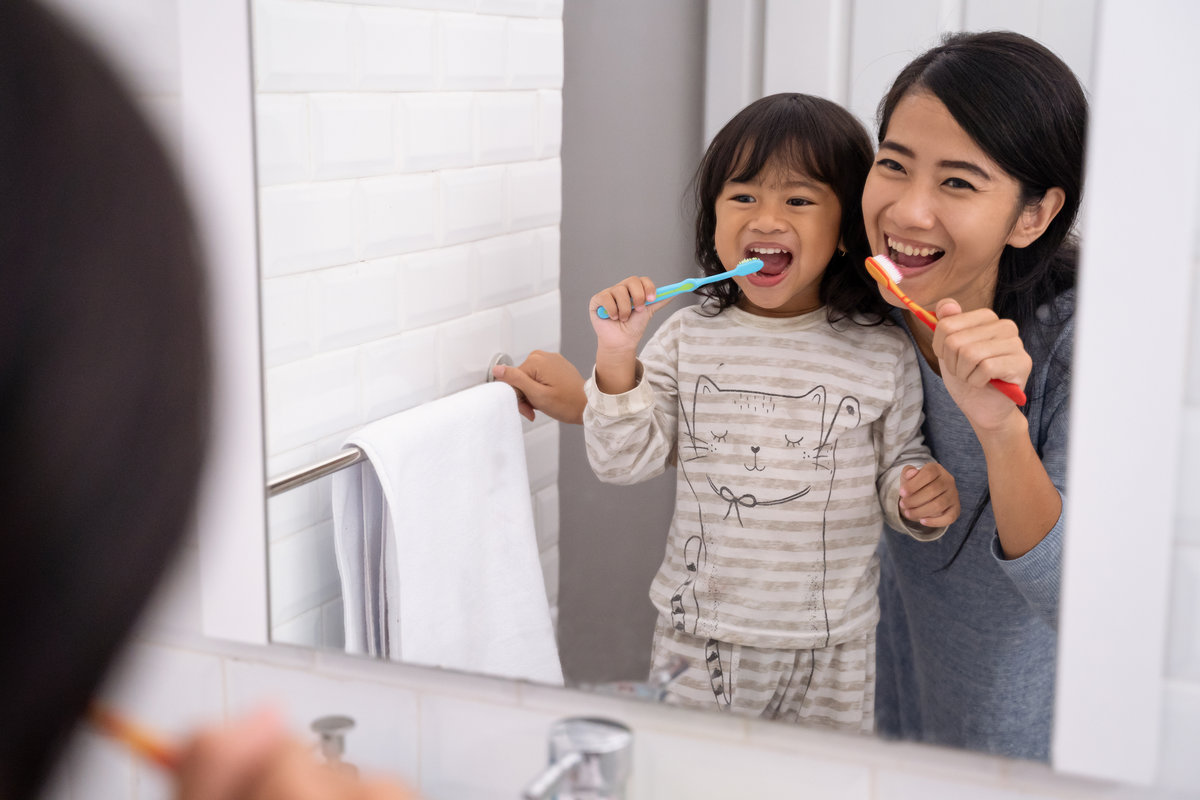
- Brush together. Children learn by watching. When they see you brushing alongside them, brushing becomes something the whole family does, not a rule applied only to them. It also makes the routine feel less isolating.
- Use a reward chart. A simple sticker chart hung in the bathroom can be remarkably effective. After a week of consistent brushing, offer a small, non-food reward: extra story time, a trip to the park, or the choice of the next family movie.
Whichever combination works for your family, consistency matters more than perfection. Some nights, the brushing will be thorough. Others, you will take what you can get. Pairing a strong home routine with regular dental cleanings ensures nothing slips through the cracks.
When to Bring in a Little Professional Help
Sometimes a child’s resistance to brushing runs deeper than a preference for strawberry toothpaste. Past discomfort, dental anxiety, or an undetected cavity can make brushing genuinely difficult to tolerate. In those cases, a visit with Dr. Goodloe, our board-certified pediatric dentist, can be a helpful reset. Hearing guidance from someone other than a parent in a calm, playful environment often lands differently for kids. She can also recommend the right tools for sensitive mouths and make sure any oral discomfort is addressed early.
Build Their Best Smile at House of Smiles Pediatric Dentistry & Orthodontics
Helping your child build a healthy relationship with their teeth takes patience, creativity, and sometimes a silly song or two. That is exactly the kind of environment we have built at House of Smiles Pediatric Dentistry & Orthodontics. Dr. Goodloe is a board-certified pediatric dentist who genuinely loves working with kids, and our team is here to make every visit feel safe, fun, and worth looking forward to.
When your child is ready for their next cleaning or exam, we would love to be your partner in keeping that smile healthy. Contact us today to schedule an appointment, and let’s make their smile something they are proud to show off.